


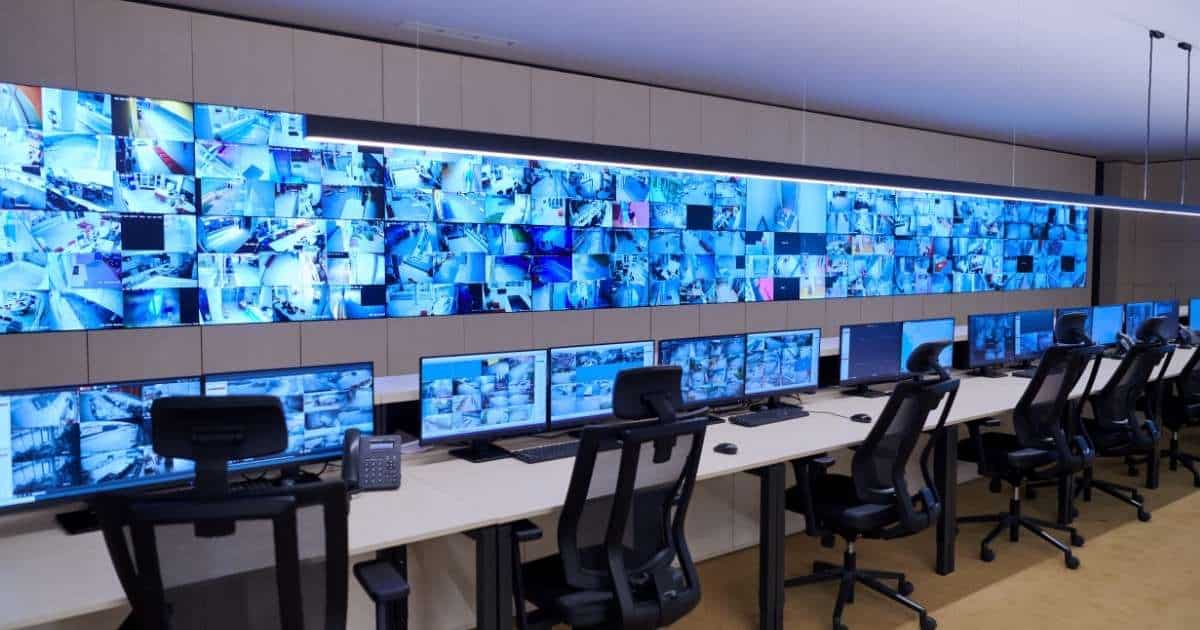
The Shift to Actionable Intelligence
Legacy response models were frequently hindered by multi-step hand-offs and the technical constraints of aging radio infrastructure. Today, a Real-Time Crime Center (RTCC) acts as a force multiplier by centralizing a broad range of evolving technologies into a single framework. By moving away from “shouting in a crowded room” toward a unified interface, agencies can achieve faster response times and provide actionable intelligence to officers in the field.
The Core Pillars of a Modern RTCC
A high-functioning RTCC is more than just a room full of monitors; it is a carefully balanced ecosystem of people, processes, and high-performance technology designed for situational awareness.
1. Centralized Data Integration: The “Single Pane of Glass”
The greatest barrier to real-time operations is the “silo effect,” where data is fractured across multiple proprietary systems. Tru-Connect specializes in technology integration, pulling disparate feeds into a unified dashboard.
- Integrated Platforms: By integrating tools like FUSUS, Flock OS, and Axis body cameras, agencies can view live video alongside license plate recognition and sensor data.
- Unified Decision-Making: This “Single Pane of Glass” integrates video, CAD, GIS, and communications into one dashboard.
- Actionable Intelligence: The goal is to turn massive amounts of raw data into actionable intelligence that can be used for immediate incident response.
2. Tactical Video Walls and Operator Workflows
A professional RTCC requires a display system that can handle the complexity of an active incident while supporting the analyst workflows.
- Visual Quality: Command Center Video Walls featuring LCD, LED, and 4K display technology provide the exceptional visual quality needed for incident monitoring.
- Customization: Solutions allow analysts to customize the technology to their specific workflows, create custom layouts, and source routing from an easy-to-use interface.
- Common Operating Picture (COP): The video wall serves as the Common Operating Picture (COP), providing a shared, real-time visual view across teams and departments.
3. Human-Centered Design for High-Stress Environments
Designing a crime center requires more than just mounting screens. It requires a balance of ergonomics, functionality, and human factors.
- Fatigue Mitigation: Elements such as sight lines, viewing angles, and lighting (ambient and task) are critical for fatigue mitigation during long shifts.
- Environmental Control: Factors like temperature/HVAC, auditory elements (alarms/alerts), and reach radius are analyzed to ensure operator comfort and focus.
- Auditory Excellence: Audio systems are optimized with audible alarms and directive sound to ensure clear communication during high alert incidents.
4. Multi-Jurisdictional Interoperability and Collaboration
Criminal activity does not stop at city or county lines. Modern RTCCs are designed for multi-jurisdictional interoperability, allowing neighboring agencies to share data and resources.
- Inter-Agency Collaboration: Unified systems facilitate inter-agency collaboration, which is critical for incident management across different public safety sectors.
- After-Action Review: These systems enable detailed after-action reviews, allowing analysts, investigators, and command staff to communicate findings and improve future response strategies.
- Operational Resilience: By building for high availability and high redundancy, Tru-Connect is ensuring maximum uptime of your critical collaboration tools.
Industry Outcomes: Improving Public Safety
While every jurisdiction is unique, the qualitative benefits of an integrated RTCC are consistent across the public safety vertical:
- Enhanced Situational Awareness: Real-time understanding of what is happening across systems and assets.
- Streamlined Incident Management: More efficient processes for detecting, verifying, and responding to abnormal events.
- Intelligence-Led Analytics: Using collected data to provide better intelligence and analytics for long-term crime prevention.
- Traffic Flow Management: Analysts utilize real-time monitoring to enhance emergency event coordination and support efficient incident management.
The Tru-Connect Commitment: 24/7 Mission-Critical Support
Building an effective RTCC is an ongoing commitment. Tru-Connect ensures that your mission-critical systems remain operational through a robust support model.
- Proactive Maintenance: We provide proactive maintenance and remote troubleshooting to prevent downtime.
- Defense-Grade Security: All offerings incorporate robust encryption and secure access controls to protect sensitive information and maintain data integrity.
- Scalability: Our solutions are designed for scalability, allowing your center to grow from a single-room setup to a multi-location operation as your agency’s needs evolve.
Are you ready to transform the way your agency monitors, communicates, and responds to critical events?