


Command & Control Center: High-Performance Design & Integration
Design-first environments engineered to reduce operational risk and support confident, real-time decisions.

Purpose-Built Environments for Mission-Critical Resilience
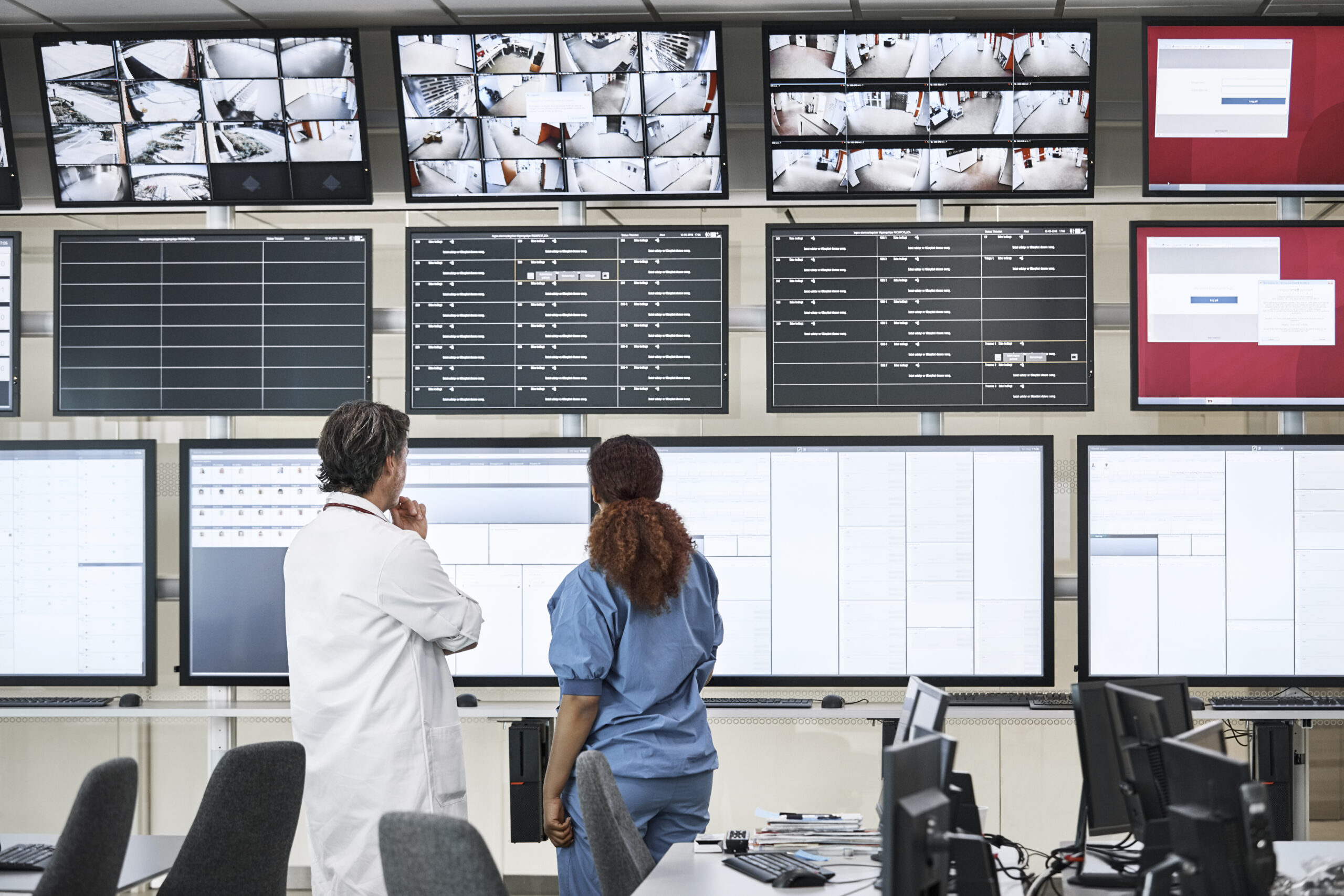
Tru-Connect applies a purpose-built, design-first approach to engineering mission-critical command center environments. Our methodology begins with how teams operate and make decisions — not with hardware.
While many providers focus narrowly on individual technologies, we prioritize workflows, risk exposure, and decision-making requirements before specifying systems.
We design, integrate, and support environments across AV, security, IT, and operational systems to ensure seamless interoperability. By synchronizing data sources such as CAD, GIS, and video platforms into a unified operational view, we reduce information overload and strengthen decision confidence during critical events.
The Tru-Connect Difference at a Glance
Design-First Engineering
Technology mapped to your workflows and operational risks.
Unified Visibility
Disparate data unified into a single operational view.
Lifecycle Support & Optimization
Disciplined coordination from initial discovery through 24/7 mission-critical support.
Cross-Disciplinary Mastery
Synchronize AV, Security, and IT into one resilient, mission-ready system.
The High Cost of the “Status Quo”
Mitigating Operational Risk
When command centers are treated as hardware instead of operational systems, risk increases. Poor design is not a technical flaw — it is a risk management failure.
- Fragmented Visibility “Siloed” data feeds force operators to toggle between screens, creating decision latency when seconds count.
- Cognitive Burnout Information overload and alarm fatigue overwhelm operators, leading to missed critical intelligence.
- Reduced Physical Alertness Environments that ignore human factors, such as scientific sight lines and circadian lighting, lead to reduced alertness and increased error rates during 24/7 shifts.
- Infrastructure Debt Rigid, underbuilt solutions waste capital and limit the ability to accommodate future growth

Core Capabilities
Engineering for Operational Certainty
Command Center
Video Wall
Operator
Experience
& Workflow Design
Cognitive Load
Management
Human-Centered
Environmental
Design
Defense-Grade
Security
Architecture
Scalability &
System Expansion
Planning
Command Center Video Wall
Critical information must be visible, organized, and reliable at all times. We engineer redundancy, signal hierarchy, and display logic around how operators actually interpret data — not just how screens are mounted.
Operator Experience & Workflow Design
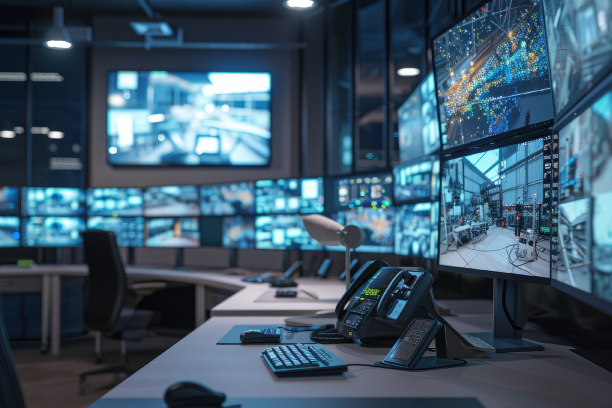
Command centers succeed or fail at the operator level. We map workflows, escalation processes, and task sequencing to eliminate friction, reduce handoff errors, and support faster, more confident decisions under pressure.
Cognitive Load Management
When too many alerts compete for attention, critical signals get missed. We organize alerts so the most important information rises to the top — without overwhelming operators during critical moments.

Human-Centered Environmental Design
The physical environment directly affects operator performance. We engineer sight lines, acoustics, and lighting to prioritize operator wellness and environmental design, reducing fatigue and sustaining focus during long shifts.

Defense-Grade Security Architecture
Command centers cannot afford visibility gaps or unauthorized access. We design segmented networks and controlled access structures that protect operational continuity across AV, IT, and security systems.
Scalability & System Expansion Planning
Rigid systems create expensive rebuilds. We design with capacity, modularity, and expansion in mind so future growth does not require starting over.
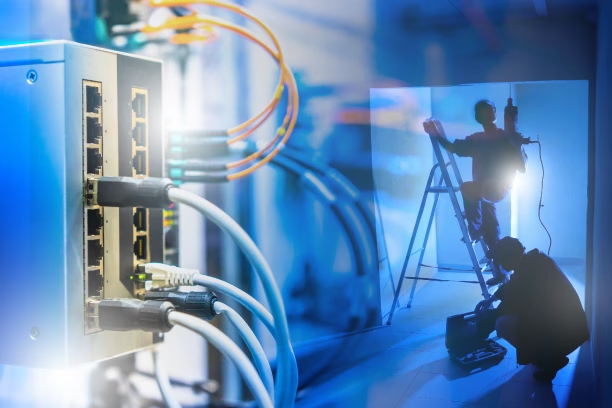
Mission-Critical Industries Served
Command centers are not “one-size-fits-all” environments; they must be precisely engineered to the unique risks, data protocols, and response requirements of the infrastructure they support. Tru-Connect provides disciplined coordination across these complex sectors
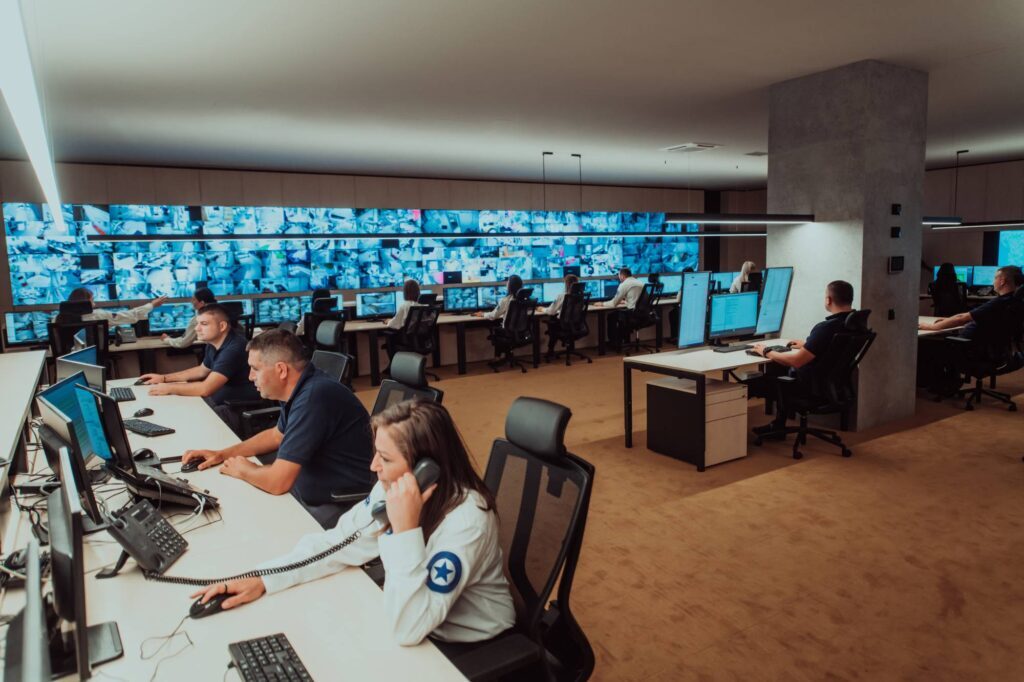
Public Safety (RTCCs, EOCs, TMCs, 911 Centers)
Engineering unified operational views for Public Safety (RTCCs, EOCs, TMCs, 911 Centers) to support real-time situational awareness and incident monitoring. We integrate data flows for law enforcement and emergency management, including dispatch, intelligence, analytics, and traffic flow management, to enable decisive action during active field operations.
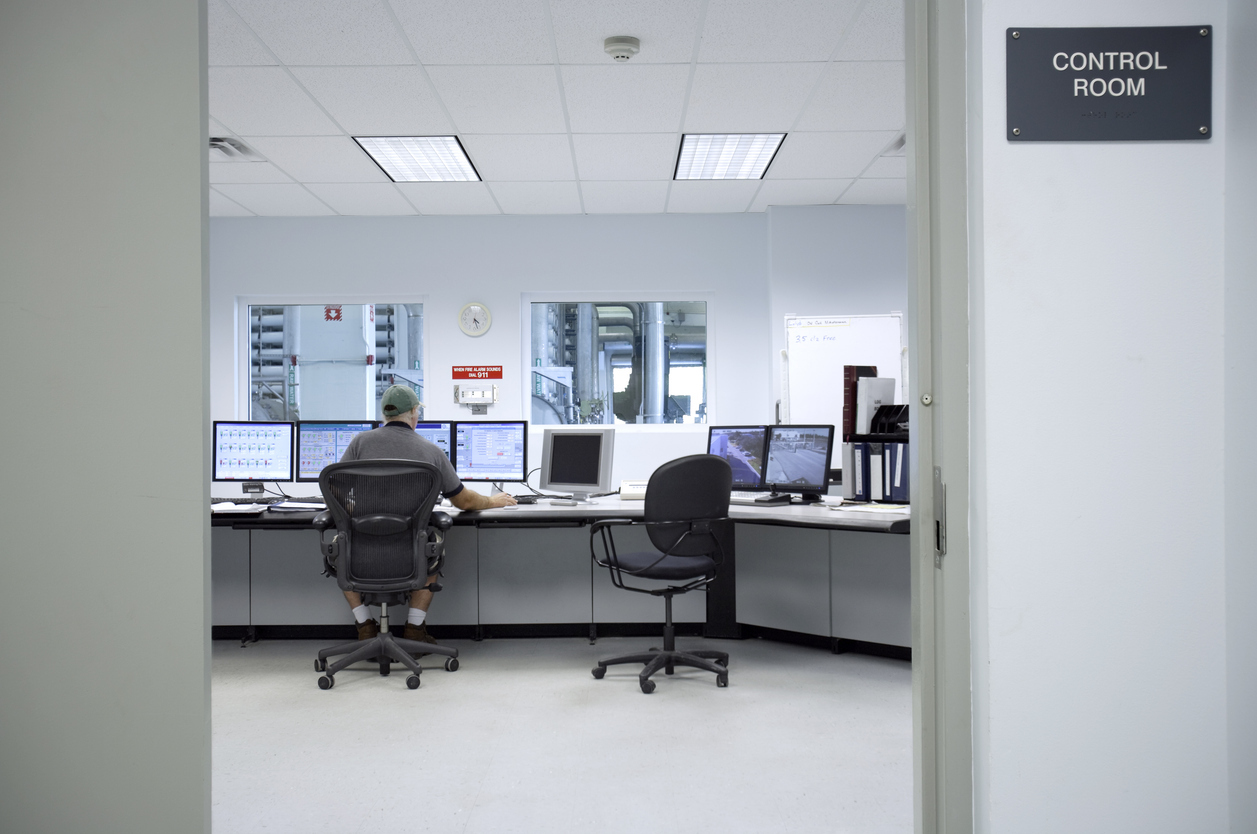
Utilities (Power Generation, Transmission & Distribution Control Rooms, Water & Gas Dispatch)
Designing high-availability environments focused on grid monitoring and stability. Our systems are engineered for outage management, emergency event coordination, and environmental compliance, ensuring 24/7 reliability for critical power, water, and gas infrastructure.
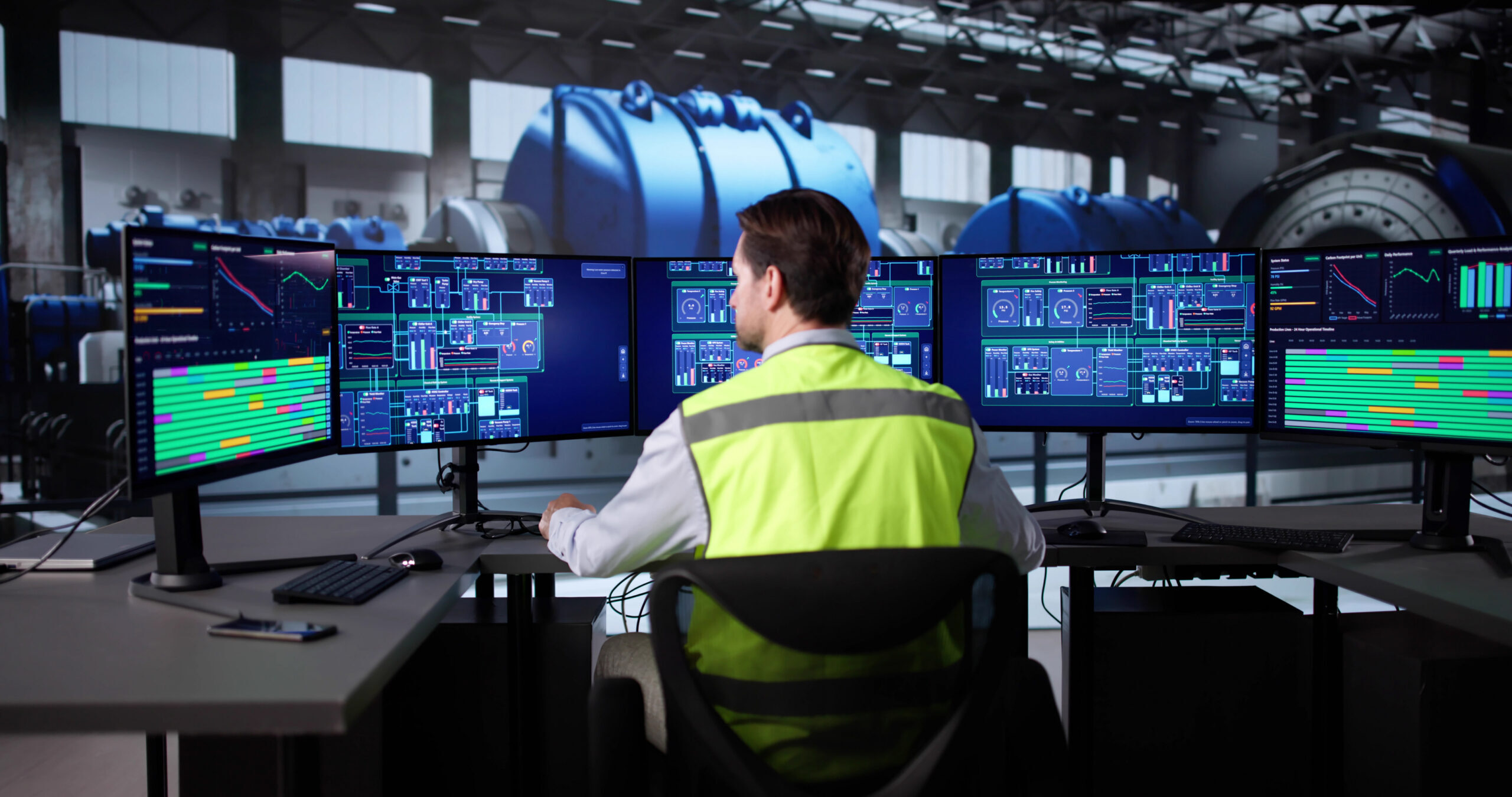
Petrochemical / Oil & Gas
Building operational resilience for high-stakes environments, including refinery operations and process control. We integrate technical systems for well monitoring and optimization, drilling operations control, pipeline integrity, leak detection, and SCADA-based transport control.
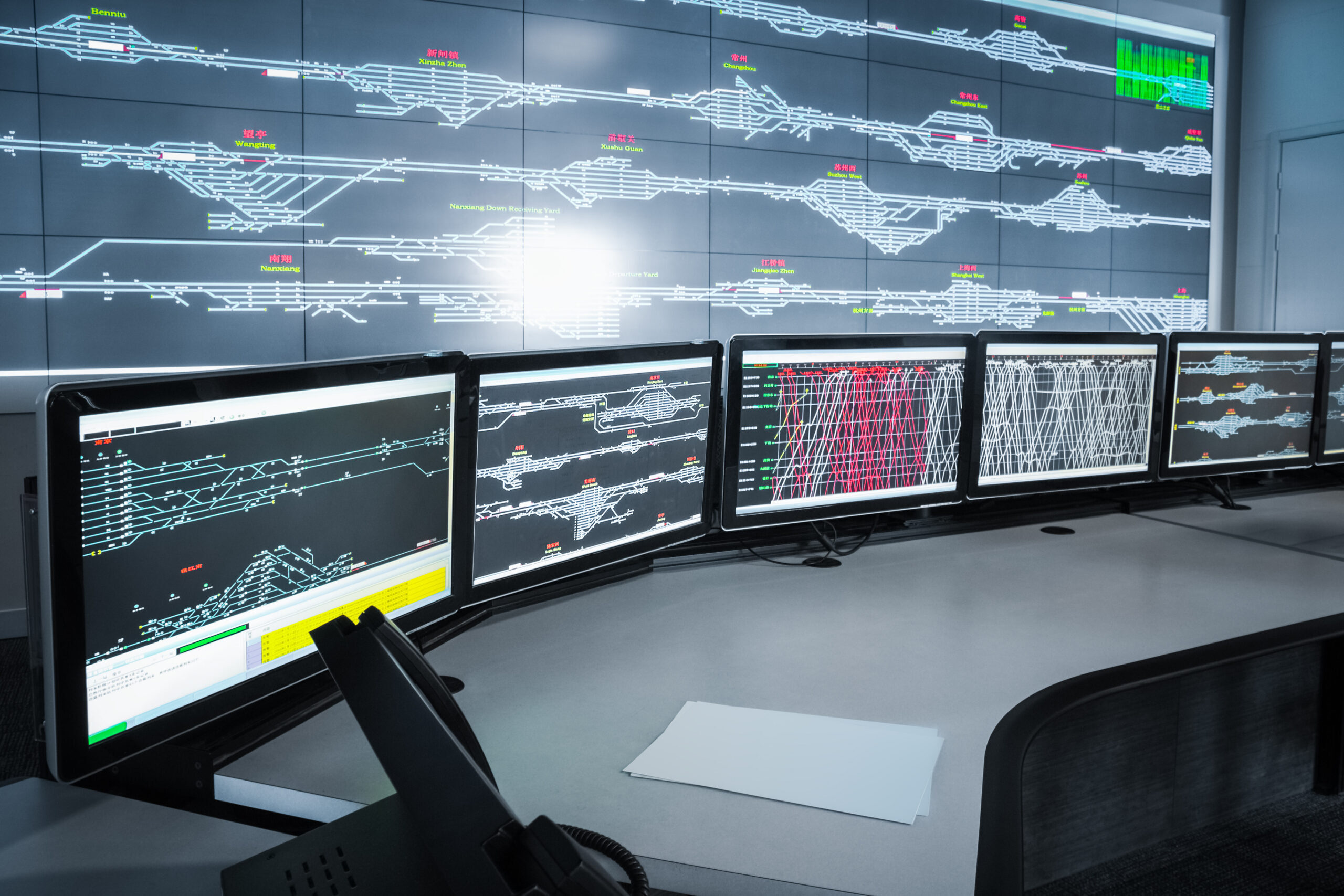
Transportation (DOTs, Regional Rail, & Airport Operations Centers)
Providing integrated visibility across complex transit networks to improve coordination and passenger security. Our designs support train operations monitoring, signal and track control, and fleet and bus dispatch to ensure safe, efficient transport flow.
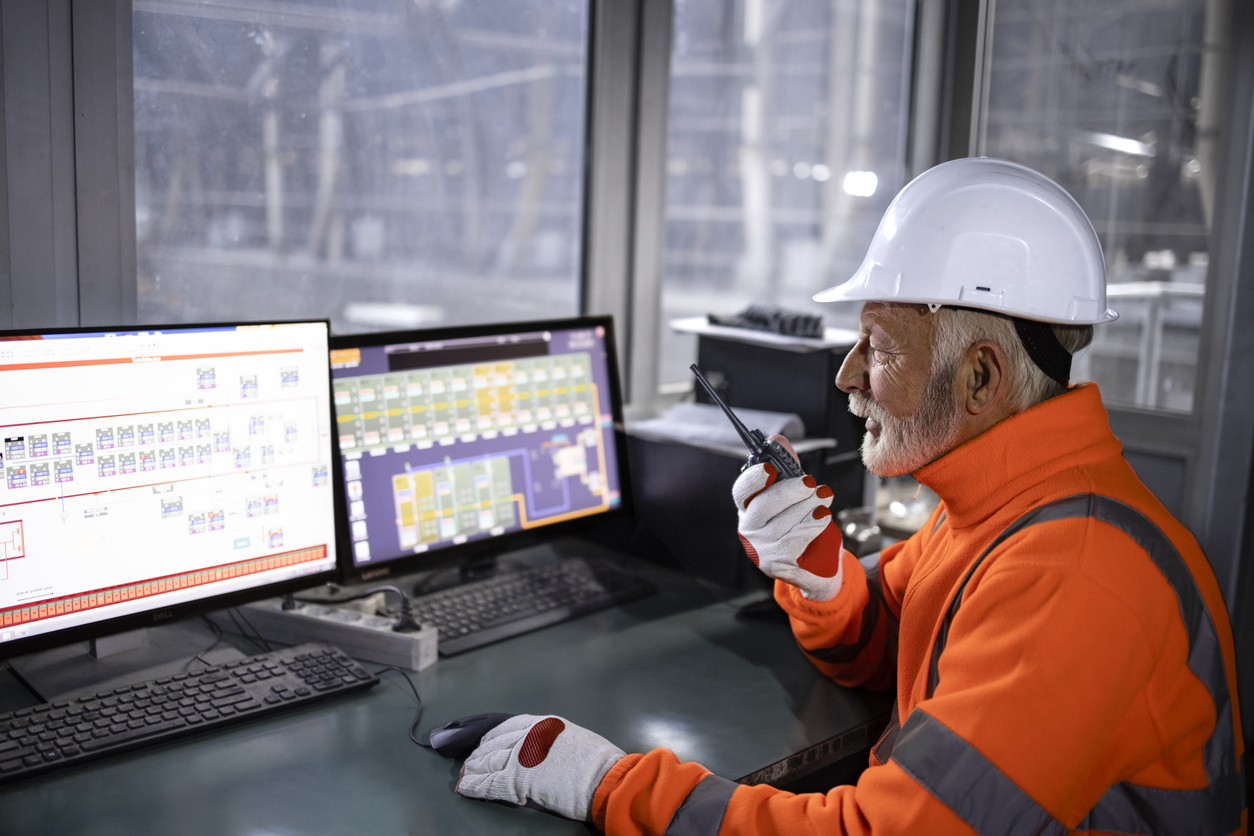
Manufacturing & Industrial
Bridging the gap between the factory floor and the control room with real-time equipment monitoring. We deliver enhanced visibility for material flow tracking and warehouse/distribution operations, ensuring that performance monitoring is grounded in real-time operational data.
Our Design-First Process
From initial discovery to final deployment and ongoing lifecycle stewardship, Tru-Connect provides the disciplined coordination required to ensure your technology supports your mission without operational friction.
Discovery & Operational Analysis
Discovery & Operational Analysis
We begin by mapping your workflows, constraints, and decision points to understand how your team actually operates — before recommending technology.
System Architecture & Design
System Architecture & Design
Using those insights, we translate operational needs into a disciplined engineering blueprint aligned to performance, reliability, and future growth.
Integration & Implementation
Integration & Implementation
We coordinate AV, security, and IT systems into a unified environment, ensuring performance, interoperability, and minimal disruption during deployment.
Mission-Critical Lifecycle Support
Mission-Critical Lifecycle Support
After deployment, we remain accountable — monitoring performance, optimizing systems, and guiding evolution as your operational needs change.
Frequently Asked Questions
When is the best time to engage Tru-Connect for a command center project?
The earlier we are involved, the more value we provide to the operational outcome. Engaging during early planning or site selection allows our team to conduct a feasibility study to assess project implications, code requirements, and environmental needs (HVAC/power), helping you avoid costly mid-construction surprises.
What is the difference between an RTCC and a Fusion Center?
An RTCC (Real-Time Crime Center) provides immediate, technical support to officers during active field operations to enhance situational awareness. In contrast, a Fusion Center typically focuses on the long-term analysis of broader threats and cross-jurisdictional intelligence sharing
How do you handle “alarm fatigue” in high-density monitoring environments?
Tru-Connect prioritizes understanding workflows and decision-making requirements before systems are specified to mitigate cognitive load. By implementing intelligent escalation and managed notifications, we ensure the right person receives actionable intelligence at the right time rather than being overwhelmed by sensory “noise”.
How does Tru-Connect handle legacy systems during an upgrade?
We develop a comprehensive plan to assess your current inventory and develop a seamless bridge or phased replacement strategy. Our focus is on maintaining operational continuity while integrating disparate data sources, such as CAD, GIS, and video, into a unified operational view.
What is the difference between Tru-Connect’s approach and traditional bidding
Traditional models often focus narrowly on individual technologies or off-the-shelf hardware late in the process. Tru-Connect provides a design-first, bespoke model that acts as a single point of coordination across AV, security, IT, and operational systems, ensuring the environment is purpose-built for your specific mission.
What happens after the project is turned over?
A command center is never “done,” so we provide lifecycle stewardship rather than a one-time installation. Our 24/7 mission-critical support model includes proactive maintenance and system health checks to ensure your technology supports the mission for its entire lifecycle without constraining future growth.
Ready to Design a Command Center That Works Under Pressure?
Design a command center built to perform under pressure and endure over time. Let’s create a bespoke system engineered to support confident decisions – now and into the future.